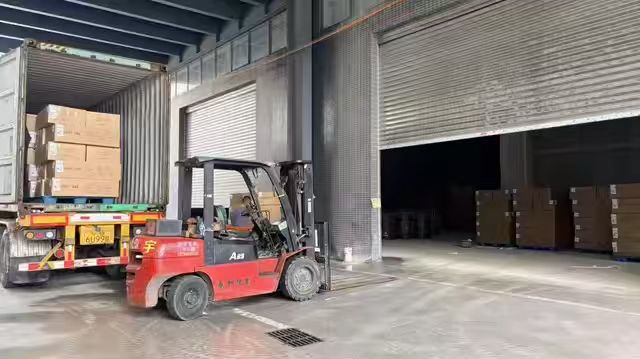

Container Loading Strategy for Custom Furniture Imports
Efficient container loading is one of the most overlooked cost factors in furniture importing. A poorly loaded container wastes 15-25% of available space, increases damage rates, and drives up per-unit shipping costs that erode your margins. Whether you’re importing hotel lobby sofas, restaurant tables, or office workstations, understanding loading principles helps you negotiate better with manufacturers and freight forwarders.
This guide covers practical container loading techniques specific to furniture products, drawn from thousands of shipments to hospitality, commercial, and retail buyers worldwide.
Container Types and Furniture Capacity
Furniture is typically volume-constrained rather than weight-constrained. Understanding container dimensions helps you estimate order quantities:
20ft Standard Container
- Internal dimensions: 5.9m (L) x 2.35m (W) x 2.39m (H)
- Usable volume: ~28 CBM (accounting for packaging)
- Typical capacity: 8-12 sofas, or 30-50 dining chairs, or 15-20 dining tables
- Best for: Small orders, heavy items like solid wood tables, sample shipments
40ft High Cube Container
- Internal dimensions: 12.03m (L) x 2.35m (W) x 2.69m (H)
- Usable volume: ~65 CBM
- Typical capacity: 20-30 sofas, or 80-120 dining chairs, or 40-60 tables
- Best for: Full project orders, mixed furniture packages, warehouse restocking
The 40ft HC is the standard choice for furniture imports—the extra 30cm height compared to standard containers accommodates tall items like wardrobes, headboards, and stacked chair columns without wasting floor space.
Loading Sequence: Heavy to Light, Large to Small
Professional loading follows a specific sequence that maximizes stability and minimizes damage risk:
- Layer 1 (Floor): Heaviest items—solid wood tables, bed frames, cabinet carcasses. These create a stable base and distribute weight evenly across the container floor.
- Layer 2 (Middle): Medium-weight items—upholstered chairs, nightstands, smaller tables. Placed on top of or between heavy items with protective separation.
- Layer 3 (Top/Gaps): Lightweight items—cushions, decorative accessories, flat-pack components. Fill remaining voids to prevent shifting during transit.
Packaging Methods That Protect and Save Space
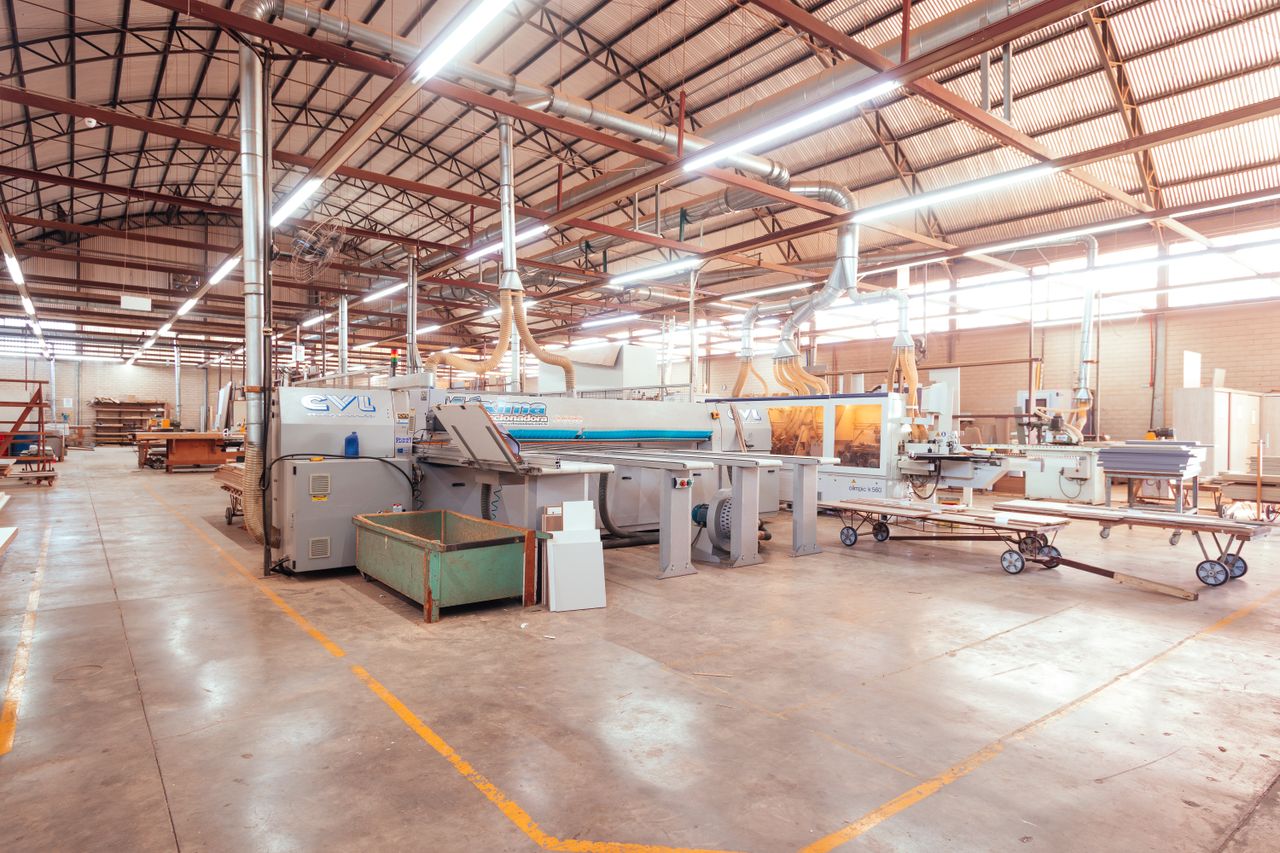
Knock-Down (KD) Packaging
Disassembling furniture into flat-pack components before shipping can increase container utilization by 40-60%. Tables ship as separate tops and leg assemblies. Beds ship as headboards, side rails, and slat systems. This approach works well for:
- Hotel projects with on-site assembly teams
- Retail distribution where end-customer assembly is acceptable
- Large-volume orders where shipping savings justify assembly labor
Our OEM manufacturing process includes KD engineering as standard—designing connection points that allow flat-pack shipping without compromising assembled structural integrity.
Fully Assembled Packaging
Some items must ship assembled—upholstered sofas, complex case goods, items with integrated mechanisms. For these, packaging focuses on surface protection:
- Stretch wrap over fabric surfaces prevents abrasion and moisture contact
- Corner protectors (cardboard or foam) shield vulnerable edges
- Corrugated cardboard sleeves cover entire pieces
- Foam padding between stacked items prevents pressure marks
Common Loading Mistakes That Cause Damage
Based on damage claims we’ve analyzed across hundreds of shipments, these are the most frequent loading errors:
- Insufficient bracing: Items shift during ocean transit (containers experience 15-30 degree rolling). Use airbags, timber bracing, or ratchet straps to eliminate movement.
- Stacking beyond compression limits: Upholstered items crushed under excessive weight. Never stack more than 3 sofas high without intermediate support.
- Moisture neglect: Containers experience temperature cycling that creates condensation. Include desiccant packets and ensure packaging allows airflow.
- Mixed hard/soft items without separation: Metal table legs puncturing sofa fabric. Always maintain physical barriers between material types.
Loading Documentation and Verification
Professional manufacturers provide loading documentation that protects both parties:
- Loading plan diagram: Shows item placement within the container
- Photo documentation: Timestamped images at each loading stage
- Container condition report: Documents container cleanliness and structural condition before loading
- Seal number record: Security seal applied after loading, number recorded on bill of lading
This documentation is essential for insurance claims if damage occurs. Reputable factories include it as standard practice—if your supplier doesn’t offer loading photos, that’s a red flag worth addressing.
Cost Optimization Tips
Reduce your per-unit shipping cost with these strategies:
- Consolidate orders: Combine multiple product types in one container rather than shipping partial loads separately
- Design for shipping: During the product development phase, consider how dimensions affect container fit. A table 10cm narrower might allow an extra row per container.
- Nesting and stacking: Chairs that stack, tables with removable legs, beds that nest—design choices that compound savings across large orders
- Seasonal timing: Freight rates fluctuate 30-50% between peak (Aug-Oct) and off-peak (Jan-Mar) seasons
Get a Loading Plan for Your Order
Every quotation from our factory includes a preliminary loading plan showing estimated container utilization and shipping volume. This helps you budget accurately before committing to production.
Planning a furniture import? Check our FAQ section for answers to common shipping questions, or contact our export team with your product list for a detailed loading plan and freight estimate.