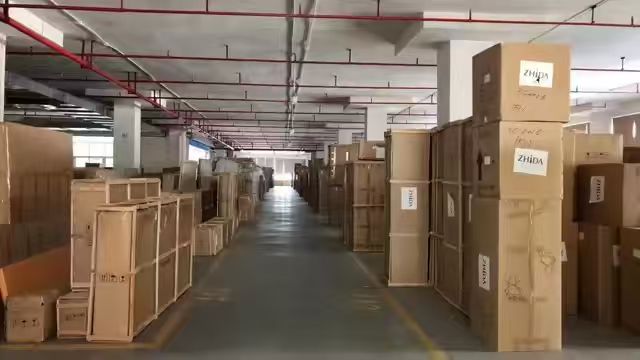
I have seen buyers wire $40,000 to a factory they found on Alibaba without visiting. Sometimes it works out. More often, the first container arrives with mismatched finishes, wrong hardware, and packaging damage that eats the margin.
A proper factory audit takes one day on-site and saves you months of back-and-forth on quality claims. Here is what to check and what to skip.

Before You Book the Flight
Request these documents in advance:
- Business license (营业执照) — verify the registered capital matches the factory scale they claim
- Export license or trading company partnership documentation
- Recent test reports: BIFMA for US market, EN 12520/12521 for EU
- Client reference list — ask for 2-3 contacts you can actually call
If they refuse the reference list, that tells you something. Move on.
On the Factory Floor: What Matters
Forget the showroom. Go straight to production. Three things to observe:
Material storage. Is raw lumber stored in a climate-controlled area? Plywood stacked flat or leaning against walls? Fabric rolls on racks or piled on the floor? Storage discipline predicts quality discipline.
Work-in-progress flow. A well-run factory moves product in one direction—raw material in one end, finished goods out the other. If you see half-assembled frames going backwards for rework, their first-pass yield is low.
QC station setup. Look for dedicated inspection areas with proper lighting (not a corner of the packing room). Check if they have measurement tools, color reference boards, and defect sample displays. Factories that invest in QC infrastructure reject problems before packing.
Questions That Reveal Capacity
Ask how many containers they ship per month. Then count the workers on the floor and do rough math. A 60-worker upholstery factory producing sofas should output 4-6 containers monthly. If they claim 15, they are subcontracting—which is fine, but you need to know.
Ask about their peak season backlog. Factories that are honest about 45-day delays in September-November are more reliable than those promising 30 days year-round.
Red Flags That Should End the Visit
- No fire extinguishers or blocked emergency exits — if they cut corners on safety, they cut corners on product
- Workers not wearing PPE in spray booth areas
- Finished goods stored outdoors under tarps
- Factory manager cannot explain their QC rejection rate (good factories track this: 3-5% is normal)
A factory audit is not about finding perfection. It is about finding honesty. A factory that admits limitations and shows you their problem-solving process is worth more than one with a polished showroom and vague answers.