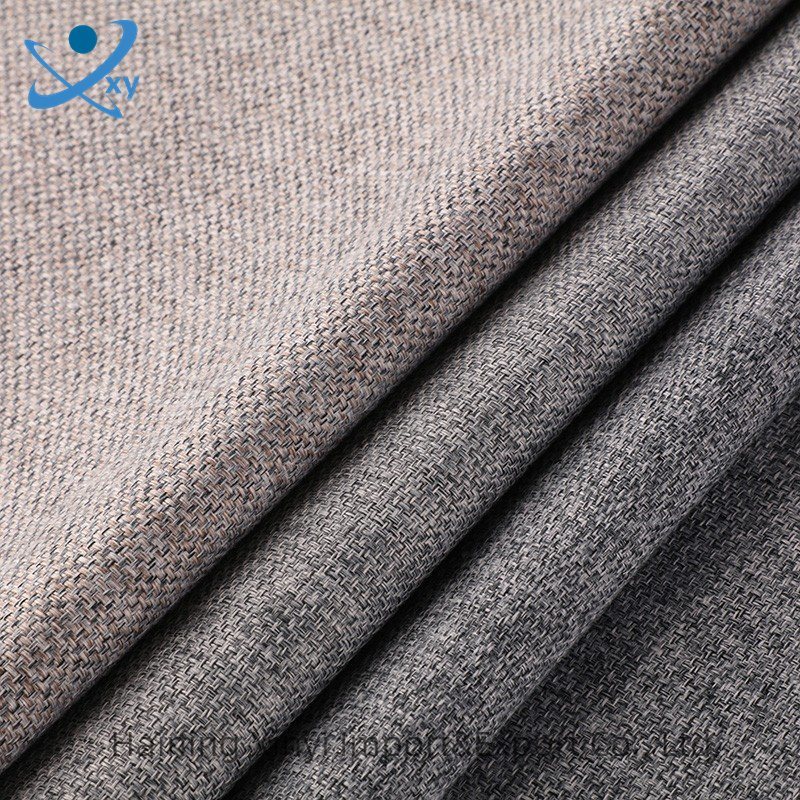
Fabric selection can make or break a commercial furniture project. The wrong textile choice leads to premature wear, costly reupholstery, and guest complaints. This guide helps architects, designers, and procurement professionals navigate the key performance criteria, fiber types, and testing standards that determine whether an upholstery fabric will perform in demanding commercial environments.
Key Performance Metrics for Commercial Upholstery
Abrasion Resistance (Martindale or Wyzenbeek)
Abrasion testing measures how many cycles a fabric withstands before showing visible wear. For commercial applications:
- Light commercial (offices, boutique hotels): 30,000-50,000 Martindale cycles
- General commercial (restaurants, hotel lobbies): 50,000-100,000 cycles
- Heavy commercial (airports, fast food, healthcare): 100,000+ cycles
When we manufacture commercial chairs and seating, we recommend minimum 50,000 Martindale for any hospitality application. Fabrics below this threshold may look acceptable initially but deteriorate noticeably within 2-3 years of regular use.
Pilling Resistance
Pilling—the formation of small fiber balls on the fabric surface—is primarily an aesthetic issue but signals quality to guests. Commercial fabrics should achieve a minimum rating of 4 on the 5-point pilling scale. Fabrics rated 3 or below will show visible pilling within months in high-traffic seating.
Colorfastness
Fabrics exposed to sunlight, cleaning chemicals, and body oils must maintain color stability. Look for lightfastness ratings of 5+ (on the 1-8 scale) for any seating near windows. Wet and dry crocking resistance should rate 4+ to prevent color transfer to clothing.
Fiber Types and Their Commercial Applications
Polyester and Olefin
Synthetic fibers dominate commercial upholstery for good reason. Modern polyester fabrics achieve soft hand-feel while delivering exceptional durability, stain resistance, and colorfastness. Solution-dyed polyester and olefin resist fading even in direct sunlight, making them ideal for outdoor and conservatory furniture.
Acrylic
Acrylic fibers offer wool-like aesthetics with superior UV resistance. They are commonly used in outdoor fabrics and performance blends for indoor applications where a natural texture is desired without the maintenance requirements of natural fibers.
Natural Fibers (Cotton, Linen, Wool)
Natural fibers provide unmatched tactile quality but require careful consideration in commercial settings. Cotton and linen lack inherent stain resistance and typically need protective treatments. Wool offers natural flame resistance and resilience but at higher cost. Blends combining natural and synthetic fibers often provide the best balance of aesthetics and performance.
Fire Safety Standards by Market
Commercial upholstery must meet fire safety regulations that vary by country and application:
- UK: BS 5852 (Crib 5) for contract furniture—one of the strictest global standards
- US: CAL 117-2013 for general commercial; CAL 133 for high-risk occupancies
- EU: EN 1021-1/2 (cigarette and match test) widely accepted
- IMO: Maritime applications require IMO FTP Code Part 8 compliance
Fire retardant treatments can be applied to fabrics that do not inherently pass required tests, but these treatments may affect hand-feel and require reapplication after cleaning. Inherently fire-resistant fibers (Trevira CS, modacrylic blends) provide permanent protection without treatment.
Cleaning and Maintenance Considerations
Specify fabrics with cleaning codes appropriate for your maintenance regime:
- W (water-based cleaning): Most versatile, suitable for regular professional cleaning
- S (solvent-based only): More restrictive, requires specialized cleaning
- WS (either method): Maximum flexibility for maintenance teams
Crypton, Sunbrella, and similar performance fabric technologies offer built-in stain and moisture resistance that simplifies maintenance without sacrificing aesthetics. These fabrics are particularly valuable for restaurant seating and hotel public areas.
Working With Our Upholstery Team
When you order custom furniture through our OEM manufacturing service, our upholstery specialists help you select appropriate fabrics for your specific application. We maintain relationships with major commercial textile suppliers and can source from your specified supplier or recommend alternatives that meet your performance and budget requirements.
We provide fabric testing data, fire certification documentation, and care instructions with every upholstered furniture order. For projects requiring COM (Customer’s Own Material), we advise on yardage requirements and evaluate fabric suitability for your chosen furniture designs.
Need guidance on fabric selection for your next project? Reach out to our team with your project details and we will provide tailored recommendations based on your application, budget, and performance requirements.