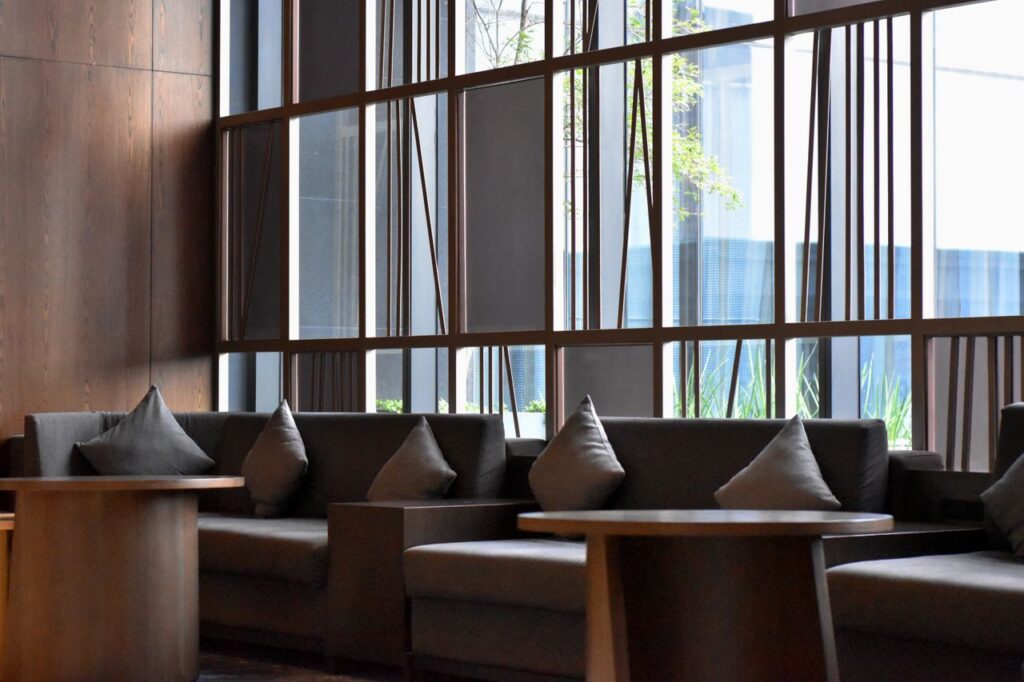
Choosing between solid wood and engineered wood for commercial furniture projects involves balancing aesthetics, durability, cost, and environmental factors. Both materials have distinct advantages depending on the application.
Understanding the Materials
Solid Wood
Harvested directly from trees and milled into boards. Common species for furniture include oak, walnut, ash, beech, and teak. Each piece has unique grain patterns and natural character marks.
Engineered Wood
Manufactured by bonding wood veneers, fibers, or particles under heat and pressure. Includes plywood, MDF, particle board, and veneer-wrapped substrates. Modern engineering produces remarkably stable and consistent materials.
Performance Comparison
Dimensional Stability
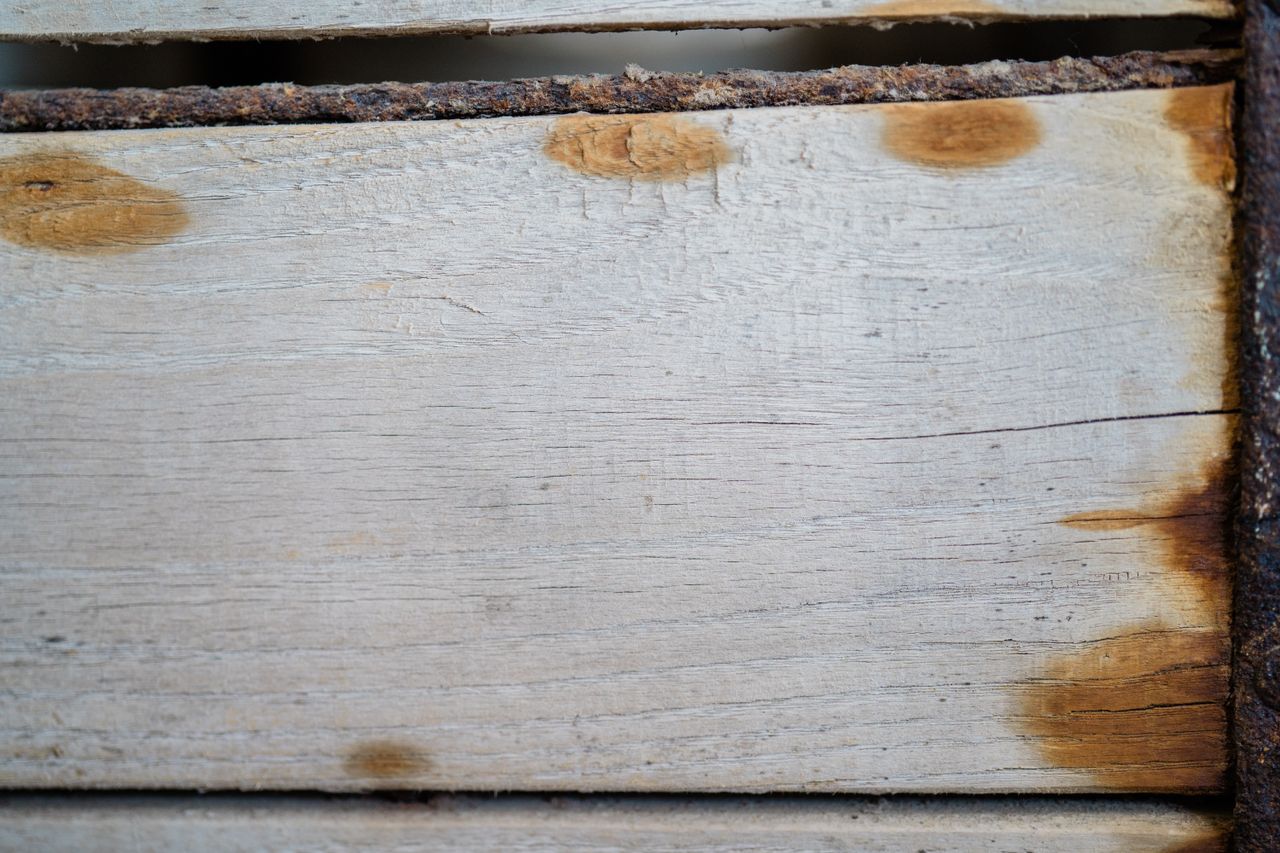
Engineered wood wins here. Solid wood expands and contracts with humidity changes, potentially causing warping, cracking, or joint failure in climate-controlled environments. Engineered substrates remain dimensionally stable regardless of humidity fluctuations.
Durability and Longevity
Solid wood can be refinished multiple times over decades. Scratches and dents add character. Engineered surfaces with thin veneers allow one or two refinishing cycles at most, but the substrate itself resists structural degradation.
Best Applications
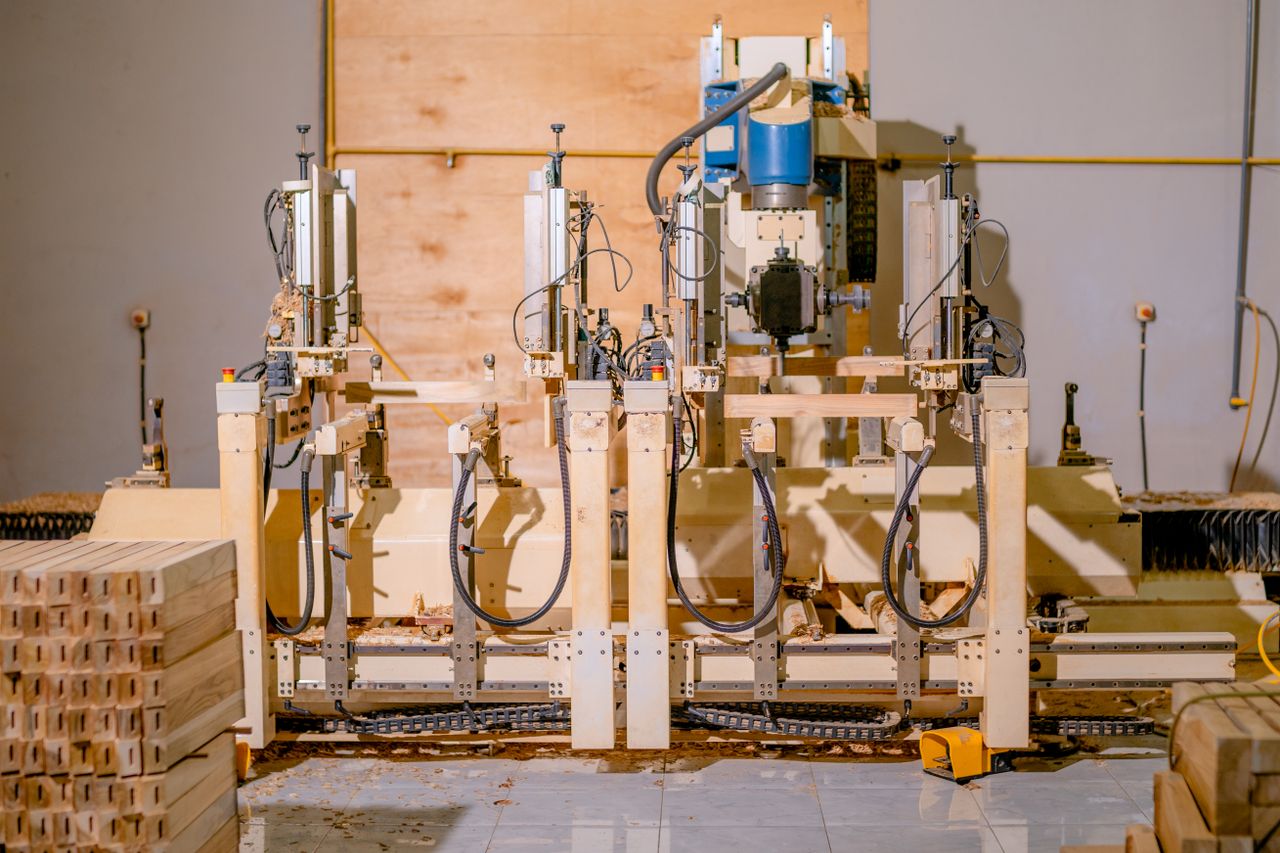
For dining tables and statement pieces where natural beauty matters most, solid wood delivers unmatched warmth. For office furniture, hotel casegoods, and high-volume production, engineered wood offers consistency and cost efficiency.
Cost Considerations for Bulk Orders
Solid wood costs 30-60% more than equivalent engineered alternatives. For hospitality projects furnishing 100+ rooms, this difference becomes substantial. Many designers specify solid wood for public areas and engineered wood for guest rooms as a practical compromise.
Our Manufacturing Approach
We work with both materials and often combine them within single pieces. Solid wood tops on engineered bases, for example, deliver the visual impact of natural timber with the structural reliability of modern engineering. Learn more about our customization capabilities.